How To Organise Your Car
This post contains affiliate links. If you purchase through these links, I may earn a small commission at no extra cost to you.
For most people their car is one of the main places for clutter to build up. Receipts in the cup holders; charging cables tangled together; and before long it becomes difficult to find anything when you need it.
The reason this happens is most often because they are small spaces that get used constantly by lots of people. This means that you need a system so that everyone knows how to keep it tidy and organised. When its organised properly you can find what you need, avoid clutter and make long journeys more comfortable.
To organise spaces like this, I use a simple system called the IVORY Method. Instead of focusing only on making things look tidy, the IVORY Method creates systems that actually stay organised long term.
The IVORY Method stands for:
Inventory – see exactly what you own
Visualise – design the space before organising
Organise – create clear zones and structure
Reset – build simple habits so it stays tidy
You-proof – make the system realistic for how you use your car
This guide will walk through the IVORY Method step by step so you can organise your car in a way that actually lasts.

The 5 Reasons Cars Become Cluttered So Quickly
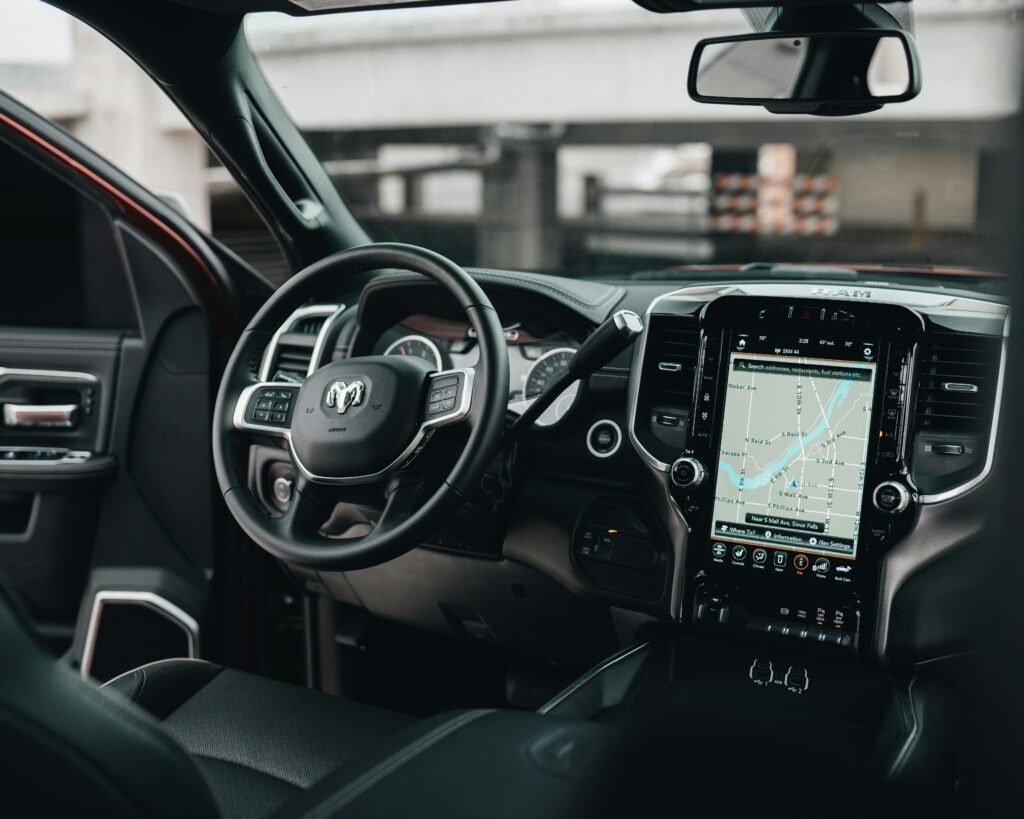
Cars don’t just become messy overnight. Clutter builds up because of habits and these are the main ones that I notice:
- No designated storage zones – If stuff doesn’t have a place then they can end up anywhere
- Small items accumulate quickly – Receipts, parking tickets, loose coins and wrappers pile up faster than people realise.
- The boot becomes a “temporary storage area” – Many people place items in the boot intending to remove them later such as things to take to the charity shop, but they often stay there for weeks.
- Emergency items get mixed with everyday items – Things like torches, ice scrapers or first aid kits end up buried under shopping bags.
- The car never gets reset – Without a quick weekly reset, small messes slowly turn into clutter.
Once you understand why clutter builds up, it becomes much easier to prevent.
Inventory
The first step is removing everything that can be removed from your car. Get everything from rubbish to car seats out. This might sound unnecessary, but most people don’t realise how much random stuff is in there. As you remove them group them into categories such as essentials, car docs, emergency supplies and rubbish.
Throw way anything you don’t need and if you’re not sure then only useful, frequently needed, or emergency items should live in your car.
Once everything is out, give your car a really good clean either yourself or get a professional to do it. It will make you more motivated to keep it tidy and the transformation bigger.
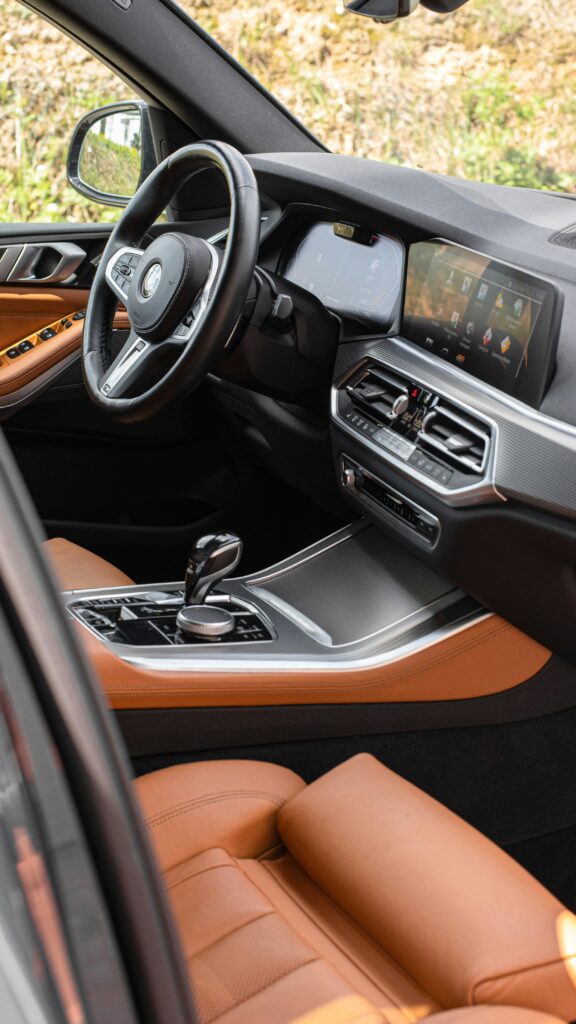
Visualise
Your Car will stay organised when everything has a clear home so to do this we need to create zones where similar objects are grouped together in one place. Such as a snack zone or a drivers essentials zone.
Planning these zones before adding organisers makes the system much easier to maintain and you’ll remember when you put everything to. For the first few days it will take a while to get used to where everything is but you’ll get used to it quite easily.
If you’re not sure where everything should go just make zones for the driver, passenger, backseats and boot. This way you can think about who needs this item when driving and how it can be the most easily accessible to them.
Organise
Now that you know what belongs in the car and where it should live, the next step is choosing storage solutions that make the system work. Below are ten organisers that make a real difference.
Boot Organisers
The boot is one of the easiest places for clutter to build up and a boot organiser creates separate compartments for things like shopping bags, cleaning supplies or emergency gear. This model comes in multiple sizes and colours ranging from around £25-50.
Pros: Prevents items sliding around, creates clear storage sections, easy to remove when needed
Cons: Takes up some boot space, needs occasional emptying
Backseat Organisers
Backseat organisers attach to the back of the front seats and provide pockets for storing small items. They are especially helpful for families or people who often carry passengers. This pack comes in a pack of 2 for around £12 and also has a place for a tablet with a touch screen plastic holder.
Pros: Keeps small items contained, Uses vertical space, Easy to install
Cons: Can look cluttered if overfilled, not suitable for heavy items
Car Trash Bins
One of the simplest ways to keep a car tidy is having a dedicated place for rubbish. A small car trash bin prevents wrappers, tissues and receipts from accumulating in door pockets or cup holders.
Pros: Encourages quick clean-up, prevents clutter build-up, easy to empty, waterproof
Cons: Needs regular emptying, takes up a little space on the back of the front seats., doesn’t look very pretty.
Seat Gap Fillers
Small items often fall into the gap between the seat and the centre console. Seat gap fillers solve this by blocking the gap completely while leaving space for the seatbelt.
Pros: Stops phones and coins falling down, very easy to install, cheap solution
Cons: Not useful for storage, only solves one specific problem. Quite expensive for wht it it 2 for £11.
Cable Organisers
Charging cables can easily become tangled in the centre console. Cable organisers keep them neatly wrapped and easy to find. This is especially good for families or long trips because it stores lots of cables.
Pros: Prevents tangled cables, keeps consoles tidy, compact solution
Cons: Only useful if you carry cables, small items can get lost easily
Side Seat Storage Bags
Side seat storage bags attach to the sides of the front seats and provide extra pockets for storing everyday items. They are especially useful in cars that don’t have much built-in storage space.
Pros: Uses unused space beside seats, adds extra storage without taking up legroom, only £6 for 2.
Cons: Can become cluttered, only for small items.
Cup Holder Expanders
Some cars have cup holders that are too small for modern bottles or travel mugs. Cup holder expanders make it easier to store drinks without them tipping over. It even has space for a mug handle for quick trips that you just want to bring your mug.
Pros: Fits larger bottles, easy installation, very practical for daily use
Cons: Only useful if cup holders are small, adds height to the holder
Sunglasses Holders
Sunglasses often end up sliding around in the centre console. A clip-on sunglasses holder attaches to the sun visor and keeps them easy to reach. This one also has space for other items to make even more use of the space.
Pros: Protects sunglasses, easy to access, uses unused space
Cons: May look cluttered if overfilled.
Back-of-Seat Boot Organiser
A back-of-seat boot organiser attaches to the back of the rear seats inside the boot. Instead of storing items loosely on the boot floor, this organiser creates pockets that hold items vertically. Priced at £15.
Pros: Uses vertical boot space efficiently, Prevents small items from rolling around the boot
Cons: Not suitable for very heavy items, needs to fit your car’s seat layout properly
Mesh Organiser Between Seats
A mesh organiser fits between the two front seats and acts like a small storage pocket. It creates a convenient place to store items that would otherwise sit loose in the centre console or on the passenger seat.
Pros: Creates extra storage in a normally unused space, flexible mesh design fits different items, only around £5.
Cons: Only suitable for lightweight items, may need occasional adjusting if overloaded
When people organise their car there are a couple of errors they sometimes make. Its not the end of the world if you fall into these traps but these two are very preventable.
- Using too many organisers. This is because lots of people fill their car with them expecting them to have a magic effect where too many can make your car feel cramped. Choose the ones that solve a real problem.
- Not doing the inventory step well enough. The car should not be storing random things from your house and don’t overfill organisers either because it just makes them harder to use.
Avoiding these mistakes helps keep the system simple and easy to maintain.
Reset
To maintain all your wonderful organisation we need to build simple habits for example do a quick weekly reset or find time each day just to remove rubbish and put back items to where they belong. Otherwise, you just end up doing a long tidy every six months or so.
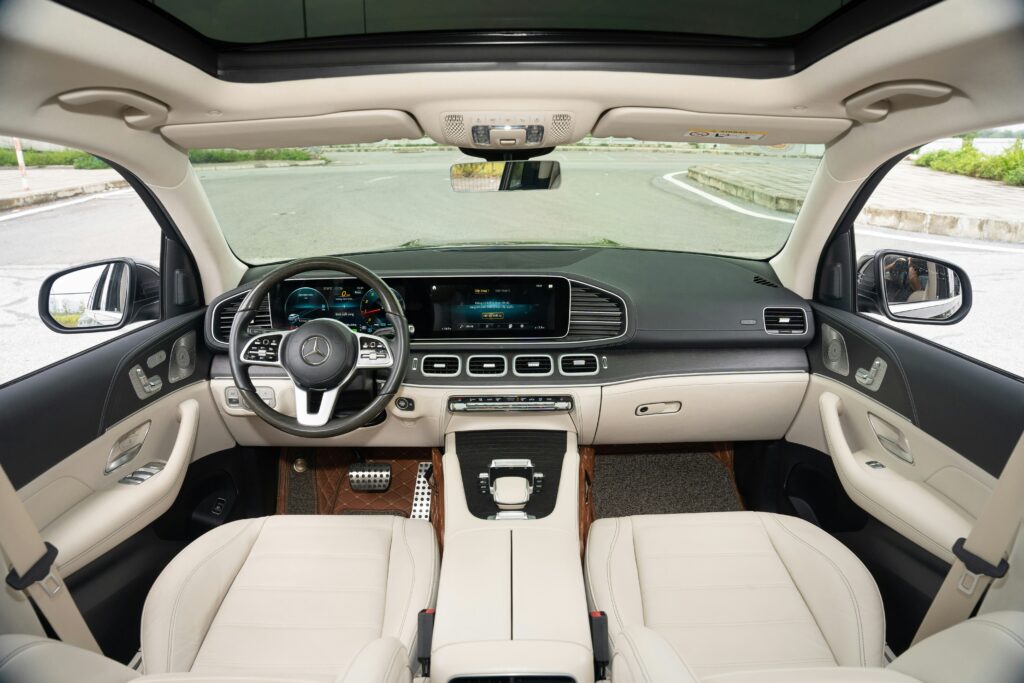
You-Proof
Now its time to make it your own. After a few weeks come back to your car and see what has worked and what hasn’t. Now you can adapt the organisation as you know what is best for your car. The best organisation systems are designed around real habits. Adjust the system so your most-used items are easiest to reach.
Cars are small and get used everyday so are very vulnerable to clutter but with a system that works for you it becomes much easier to stay organised and allow your car to be a space that works with you rather than against you.